

Biomarker Test Results
Start your biological baseline testing:
Epigenome test at Elysium Health
Telomere test at Spectracell
Glycan Age test at Glycan Age
Inflammation test (CRP) Consult local physician


Avg. newborns' Telomere length =10,000 bp
Avg. 80yo Telomere length = 5,500
Our results:
COO Hamiel O. Schorr: — 12,550 bp
CEO Steven M. Schorr: — 12,240 bp to 12,520bp (most recent test.
These “hyper-long” telomeres lengths are linked to better longevity.
Telomere Biomarker Breakthrough
Telomere Test — Chromosome End Length
What it is
Telomere tests measure length of telomeres (DNA caps at chromosome ends) via blood sample.
Telomere length is measured in base pairs (bp)
Or as an average telomere length (ATL) and compared to age norms.
Why it matters
Longer telomeres correlate with cellular youth and lower age-related risk
Telomere percentile shows how you rank vs peers.
How to use it
Use telomere testing for baseline and long-term tracking (annual).
Pair with epigenetic and GlycanAge tests to capture both short- and long-term biological changes.
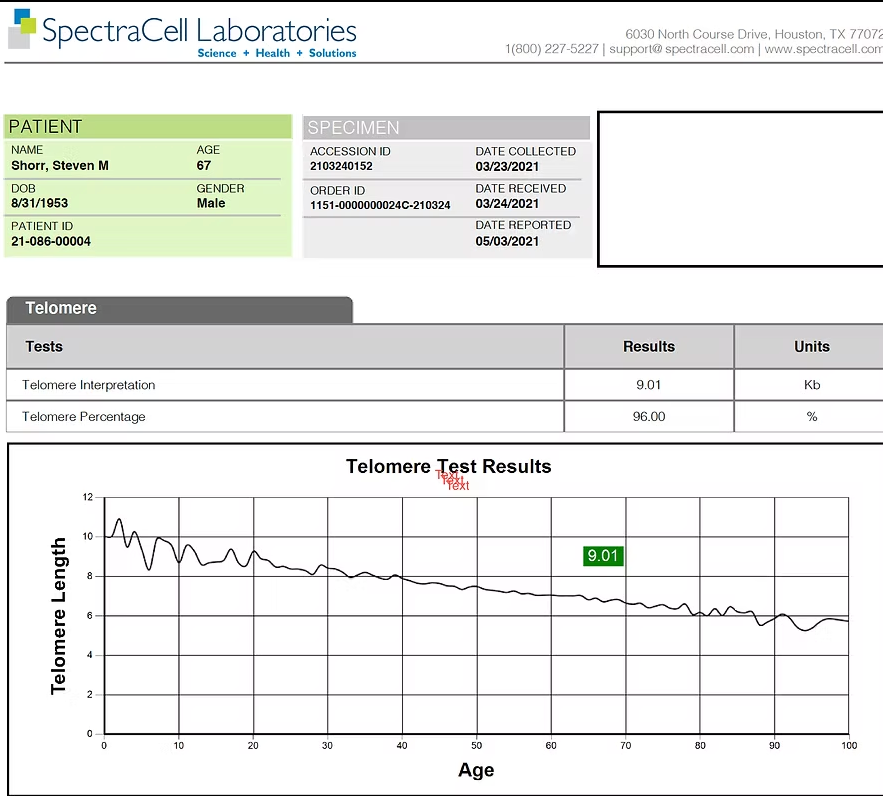

Growing Telomeres Results
2021- 2023
Our Results
2021 Mr. Schorr age 67
Telomere length measured at 9.01 bp
Equivalent to a 10-20 year old
2023 Mr. Schorr age 69
Telomere length increased 10.38 bp
Equivalent to a 2 year old
The GlycanAge Test result for Mr. Steven M Schorr on June'24
Shows reduction of biomarker of age by 30 years from 70 to 40.
In May'25
Mr. Schorr's GlycanAge continues at 40, with the age deceleration increasing to 31 years.


GlycanAge Biomarker Breakthroughs
What it is
GlycanAge measures patterns of sugar molecules on antibodies (IgG glycans) that reflect immune aging and systemic inflammation.
It returns an estimated “GlycanAge” based on a blood sample.
Why it matters
GlycanAge tracks immune-system aging and can change relatively quickly with interventions.
It’s useful for monitoring inflammation-related aging and treatment response.
Our results
Jun'24 — GlycanAge: 70 → 40
(30 year deceleration)
May'25 — Maintained 40
(31 years deceleration)
How to use it
Take a baseline test, implement interventions
Then retest at 6–12 months to measure change
Use results alongside other biomarkers for a fuller picture.
Our Results
May 14, 2025 Test — 71 → 57.
Showing14 years (age decelerated)
May 20, 2024 Test — 70 → 56.
Showing14 years (age decelerated)


Epigenome Biomarker Results
DNA Methylation (Epigenetic Age)
What it is
Epigenome (DNA methylation) test measures chemical tags on your DNA that correlate with biological age.
Uses a blood sample to calculate an epigenetic age or “clock” you can track over time.
Why it matters
Epigenetic age predicts healthspan and mortality better than chronological age in many studies.
Changes after supplements, lifestyle, or protocols indicate whether aging is
slowing, or reversing. At the molecular level.
How to use it
Take a baseline test, implement interventions, then retest at 6–12 months to measure change.
Use results alongside other biomarkers for a fuller picture.

Support Epigentic Reprogramming
OncoShield is designed to epigenetically downshift MYB, HDAC2, and FOXA2.
Guides cells toward a safer, normal‑like state via non‑destructive reprogramming (KAIST)

Reprogramming
MYB: Oncogenic TF — reduce activity.
HDAC2: Class I HDAC — inhibit to restore tumor‑suppressor programs.
FOXA2: Lineage regulator — downshift to curb
malignant identity
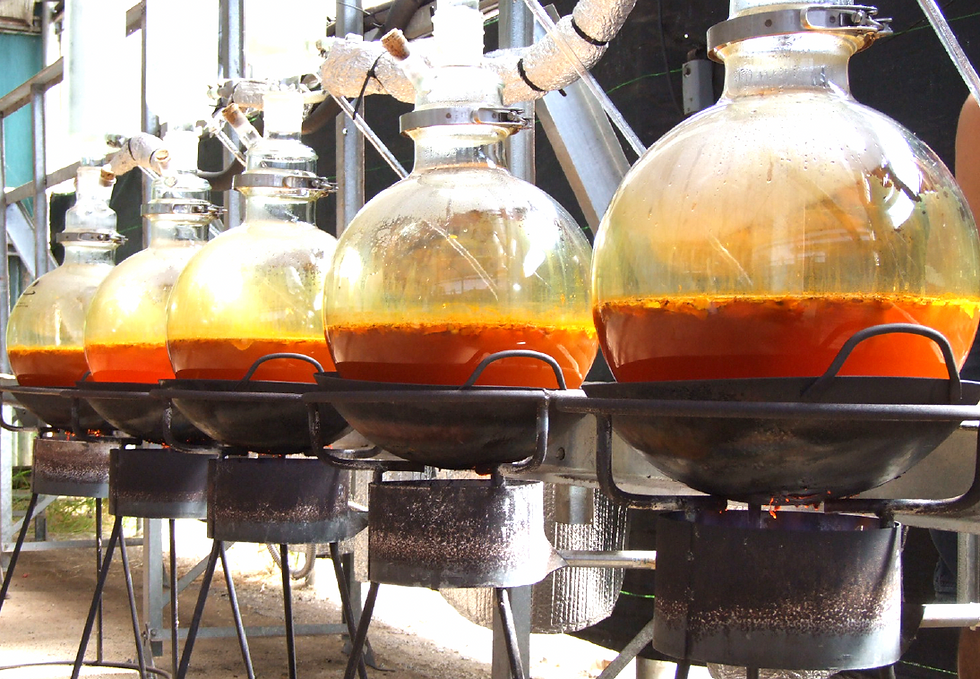
Highly Bioavailable
Curcumin: Inhibits HDAC2; suppresses NF‑κB to indirectly reduce MYB; supports tumor‑suppressor reactivation.
Sulforaphane: Inhibits HDACs (incl. HDAC2) and DNMTs; activates Nrf2; fosters silencing of MYB.
Genistein: Downshifts FOXA2 via PI3K/AKT modulation; mild HDAC inhibition.
Quercetin: Lowers MYB via c‑Myc pathway interference
Extended Longevity
IRB 2021-2023.
The Longevinaut Study #1
THE SAFETY AND EFFECTIVENESS OF THE EXTENDED LONGEVITY
PROTOCOL ON THE EPIGENETIC AGING RATE IN HEALTHY INDIVIDUALS
Protocol Number: TD-EL-001
IRB approval number: IRCM-2019-285
Conducted by
Quantum Functional Medicine of Carlsbad, California
Dr. Juergen Winkler, MD
Through the Institute of Regenerative and Cellular Medicine (IRCM) of Santa Monica,
California, Executive Director Dr. Barbara Krutchkoff, PhD